If you’ve ever picked up a bottle of juice, a jar of sauce, a tube of cream, or even a pouch of detergent, chances are a filling machine played a role in getting that product onto the shelf.
So, what is a filling machine exactly?
In simple terms, a filling machine is a piece of industrial equipment designed to dispense a precise amount of product into a container. That product might be a liquid, paste, cream, powder, granule, or semi-fluid material. The container could be a bottle, jar, pouch, tube, drum, or even a capsule.
Filling machines matter because modern production depends on speed, consistency, hygiene, and accuracy. Manually filling products may work for very small batches, but once output increases, businesses need equipment that can deliver the same fill level or weight again and again with minimal waste. That is where filling machines become essential.
In this guide, I’ll walk through what a filling machine is, how it works, the main types available, where it is used, and how to choose the right one for your operation.
What Is a Filling Machine and Why Is It Important?
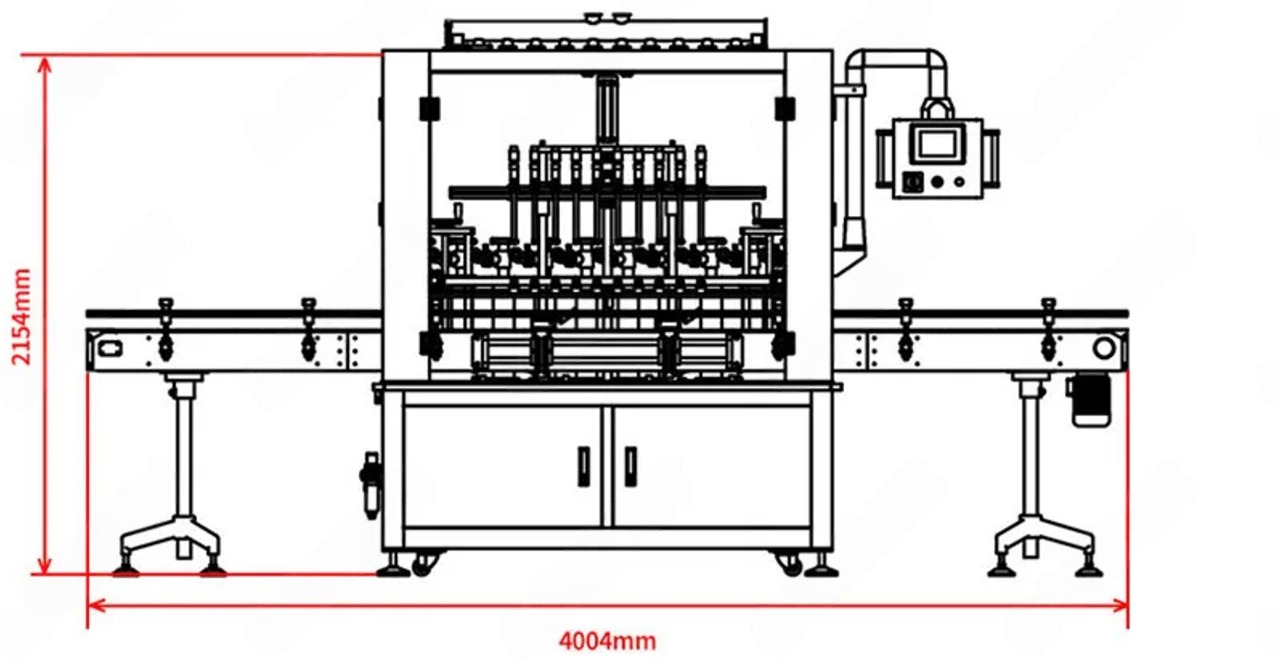
A filling machine is equipment used to automatically or semi-automatically transfer a measured amount of product into packaging. Its main job is simple: fill each container accurately and efficiently.
That sounds straightforward, but in real production environments, it solves several problems at once:
- It improves filling accuracy
- It increases production speed
- It reduces human error
- It helps maintain hygiene standards
- It lowers product waste
- It creates a more consistent finished product
This is especially important in industries like food and beverage, cosmetics, pharmaceuticals, chemicals, household cleaning, and personal care, where packaging consistency is not just about appearance but also about compliance, cost control, and customer trust.
A good filling machine also does more than just fill. Many systems can be integrated into a complete packaging line with conveyors, capping units, sealing systems, labeling machines, and quality control devices.
How Does a Filling Machine Work?
At its core, a filling machine works by drawing product from a supply source and dispensing a controlled amount into each container.
The exact filling method depends on the machine type and the product being handled, but the general process usually looks like this:
- Containers are positioned under the filling heads, either manually or by conveyor.
- The product is supplied from a hopper, holding tank, or feed line.
- The machine measures the correct amount using time, volume, weight, or flow control.
- The product is dispensed through a nozzle into the container.
- Filled containers move on to the next stage, such as capping, sealing, or labeling.
In semi-automatic systems, an operator may place containers, start the cycle, or monitor flow. In fully automatic systems, sensors, conveyors, and control systems handle the entire process with minimal manual input.
Modern filling machines can also include features such as anti-drip nozzles, diving nozzles for foaming products, clean-in-place systems, and electronic controls to keep filling precise even at higher speeds.
Types of Filling Machines
There is no single filling machine that suits every product. The right machine depends on what you are filling, how fast you need to run, and what kind of containers you use.
Here are the main ways filling machines are classified.
Filling Machines by Automation Level
Manual Filling Machines
Manual or hand-operated fillers are usually used for very small production runs, lab work, specialty products, or startups testing the market. They are affordable and simple, but slower and more labor-intensive.
Semi-Automatic Filling Machines
Semi-automatic fillers are a practical middle ground. An operator usually loads containers or activates the machine, while the filling itself is automated. These machines are common in growing businesses that need better output without investing in a full production line.
Automatic Filling Machines
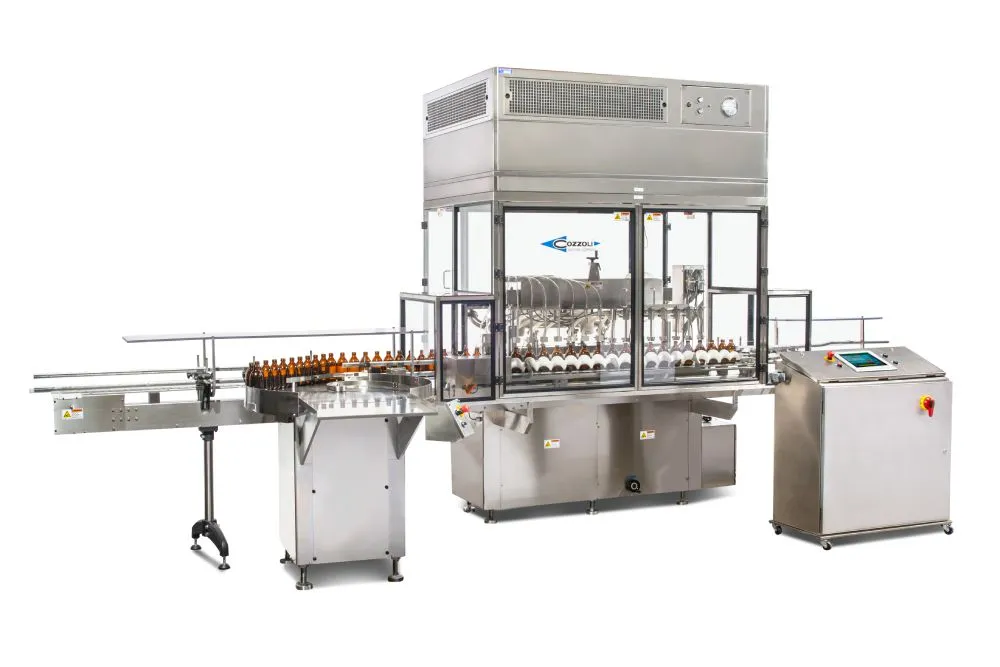
Automatic filling machines are built for higher-volume production. They are often integrated with conveyors and can run continuously with limited operator involvement. For companies producing at scale, this is usually the most efficient option.
Filling Machines by Product Type
Liquid Filling Machines
These are used for free-flowing or moderately viscous liquids such as water, juice, oils, soaps, and cleaning products.
Paste and Cream Filling Machines
Designed for thicker products like sauces, cosmetic creams, gels, waxes, and adhesives, these machines need stronger and more controlled dispensing systems.
Powder Filling Machines
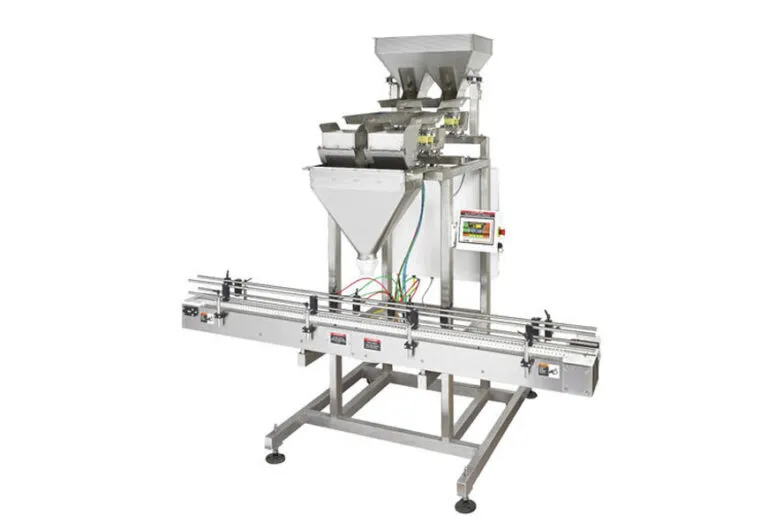
Powder fillers are used for products such as flour, spices, protein powder, detergent powder, and other dry materials. They typically rely on augers, net weight systems, or volumetric dosing methods.
Granule and Solid Filling Machines
These are used for products like seeds, tablets, candies, capsules, or small solid pieces. Depending on the application, the machine may weigh or count the product before filling.
Filling Machines by Filling Method
This is often the most important category because the filling principle affects accuracy, speed, and product compatibility.
Overflow Filling Machine
Overflow fillers are ideal for thin to medium-viscosity liquids when a uniform fill level matters. They fill containers to the same visible height, which is especially helpful for clear bottles displayed on retail shelves.
Gravity Filling Machine
Gravity fillers use the natural flow of liquid from an elevated tank into the container. They are best for low-viscosity liquids with consistent flow characteristics.
Time Gravity Filling Machine
A time gravity filler controls liquid flow based on how long the valve stays open. This method works well when the product flows predictably and the target fill can be reached by timing.
Piston Filling Machine
Piston fillers are one of the best options for thick, viscous, or particulate-heavy products. They accurately measure and push a set volume into the container, making them ideal for sauces, creams, gels, and chunky condiments.
Pump Filling Machine
Pump fillers use different pump types to move product into containers. They are flexible and can handle a wide range of viscosities. Depending on the design, they can be used for both liquid and semi-liquid products.
Peristaltic Filling Machine
Peristaltic fillers are especially useful for small-volume, hygienic, or sensitive liquid applications. Because the product stays inside tubing, the risk of contamination is reduced. They are often used in pharmaceutical, lab, and specialty liquid applications.
Net Weigh Filling Machine
Net weigh fillers are designed for products sold by weight rather than volume. These machines weigh each fill in real time, which is useful for high-value products or larger containers where accuracy directly affects profitability.
Filling Machines by Container Type
Another useful way to think about filling equipment is by the packaging it handles.
Common options include:
- Bottle filling machines
- Jar filling machines
- Pouch filling machines
- Bag filling machines
- Tube filling machines
- Pail filling machines
- Drum filling machines
- Capsule filling machines
- Tray filling machines
The machine must match the size, shape, and material of the container. A line designed for narrow-neck bottles may not be suitable for wide-mouth jars or flexible pouches without modification.
Filling Machines by Machine Layout
Linear Filling Machines
In linear systems, containers move in a straight line under the filling heads. These machines are often easier to integrate, maintain, and adjust, especially for small to medium production lines.
Rotary Filling Machines
Rotary fillers move containers around a carousel. They are commonly used in high-speed production environments where throughput is a top priority.
Tracking Filling Machines
Tracking fillers move the filling heads in sync with the containers during the filling cycle. This allows for continuous filling without stopping the conveyor, which can improve speed and efficiency.
Where Are Filling Machines Used?
Filling machines are found in more industries than most people realize. They are a core part of production wherever measured packaging is required.
Common industries include:
- Food and beverage
- Cosmetics and skincare
- Pharmaceuticals
- Household cleaners
- Chemicals
- Automotive fluids
- Paints and coatings
- Agricultural products
- Personal care products
For example, a beverage producer may use an overflow or gravity filler for bottled drinks, while a cosmetics brand may prefer a piston or pump filler for creams and lotions. A chemical manufacturer might need corrosion-resistant contact parts for acids, alkalis, or bleach.
How to Choose the Right Filling Machine
Choosing the right filling machine is not only about price. The best choice depends on how well the machine fits your product, packaging, and production goals.
Here are the key factors to consider.
Product Characteristics
Start with the product itself. Is it thin like water, thick like shampoo, sticky like honey, or chunky like salsa? Different viscosities and product textures require different filling methods.
Container Type
Think about the packaging you use. Bottles, jars, pouches, tubes, and drums all require different handling. Container size, shape, neck opening, and material also affect machine compatibility.
Filling Accuracy
Some products are sold by volume, others by weight. If accuracy is tightly regulated or margins are sensitive, a net weigh or high-precision pump system may be the better option.
Production Speed
A small workshop and a large manufacturing line have very different output needs. Be realistic about your current production rate, but also consider future growth.
Automation Level
Manual or semi-automatic equipment may be enough for startups or niche brands. Larger operations usually benefit from automatic systems that reduce labor and improve consistency.
Hygiene and Material Requirements
In food, pharma, and cosmetics, cleanliness is critical. Some products also require specialized materials, such as glass or PVC contact parts, to handle corrosive liquids safely.
Additional Functions
Do you only need filling, or do you also need capping, sealing, labeling, sorting, or conveyor integration? A more complete system can improve overall line efficiency.
Budget and Long-Term Cost
Initial purchase price matters, but so do maintenance, spare parts, training, upgrades, and downtime. A cheaper machine is not always the better investment if it slows production or struggles with your product.
What Is the Price of a Filling Machine?
One of the most common questions buyers ask is about cost, and the honest answer is that filling machine prices vary widely.
A small, basic semi-automatic filler may cost only a few thousand dollars. On the other hand, a high-speed automatic system with multiple filling heads, integrated conveyors, capping, and custom features can easily cost tens of thousands of dollars or more.
Price depends on factors such as:
- Type of filling technology
- Automation level
- Number of filling heads
- Product viscosity
- Container range
- Output speed
- Material requirements
- Special features or customization
Because of this, many manufacturers provide quotes rather than fixed public pricing. If you are shopping for a machine, the most accurate way to compare costs is to prepare your product details, container specs, expected speed, and desired line functions before requesting quotes.
Final Thoughts on What a Filling Machine Is
So, what is a filling machine?
It is one of the most important pieces of equipment in modern packaging, designed to fill containers accurately, consistently, and efficiently. Whether the product is a beverage, cream, powder, cleaning liquid, or sauce, the right filling machine can improve speed, reduce waste, and make the entire production process more reliable.
The best machine is not necessarily the most advanced one. It is the one that fits your product, container, output goals, and budget.
If you are planning a new packaging line or upgrading an existing one, understanding the different filling methods and machine types is the best place to start.
FAQ
What is a filling machine used for?
A filling machine is used to dispense a measured amount of product into containers such as bottles, jars, pouches, tubes, or drums. It is commonly used in food, beverage, cosmetic, pharmaceutical, and chemical production.
What products can a filling machine handle?
Filling machines can handle liquids, powders, creams, pastes, gels, granules, and some semi-solid or chunky products. The exact machine type depends on the product’s viscosity, texture, and packaging format.
How does a filling machine work?
A filling machine works by drawing product from a reservoir or hopper, measuring a set amount, and dispensing it into a container through a nozzle. The system may use time, volume, weight, or flow control depending on the machine design.
What is the difference between semi-automatic and automatic filling machines?
A semi-automatic filling machine usually requires an operator to place containers or start the fill cycle. An automatic filling machine handles container movement, filling, and line coordination with minimal manual intervention.
Which filling machine is best for thick products?
Piston filling machines and some pump filling machines are often the best options for thick or viscous products such as creams, sauces, gels, adhesives, and pastes.
Which filling machine is best for thin liquids?
Gravity fillers, overflow fillers, and time gravity fillers are commonly used for thin liquids such as water, juices, and some cleaning products.
How much does a filling machine cost?
A filling machine can range from a few thousand dollars for basic systems to tens of thousands of dollars or more for high-speed automatic lines with custom features. The final price depends on machine type, speed, accuracy, and application needs.
How do I choose the right filling machine?
Choose based on your product type, viscosity, container style, required speed, automation level, filling accuracy, hygiene requirements, and budget. It is usually worth speaking with a manufacturer after narrowing down these factors.