
If you have been researching the types of packaging machines for small business, you have probably noticed one thing very quickly: there are a lot of options, and not all of them make sense for a smaller operation.
That is where many business owners get stuck. You want faster output, cleaner packaging, and less manual work, but you also need equipment that fits your products, your floor space, and your budget. The good news is that small businesses do not need a massive automated factory to benefit from packaging machinery. In many cases, the right machine is simply the one that removes your biggest bottleneck.
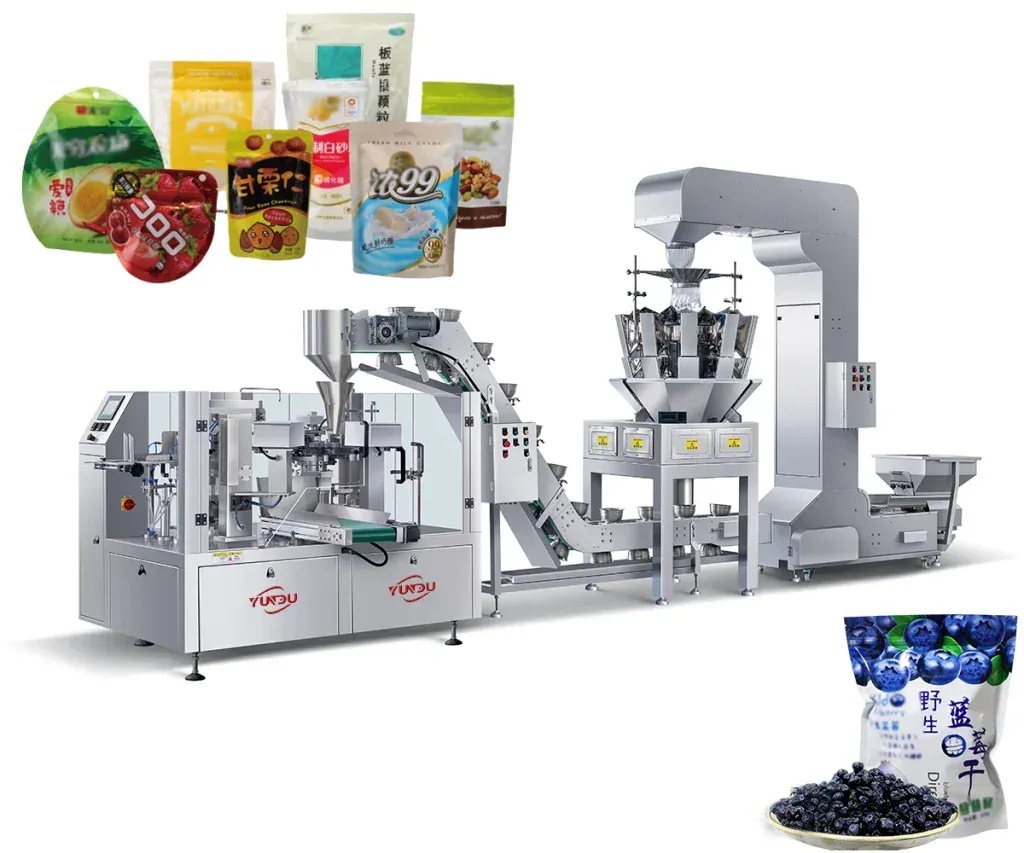
Whether you sell sauces, cosmetics, supplements, snacks, household goods, or boxed products, the right packaging setup can help you save labor, reduce mistakes, improve presentation, and prepare your business for growth.
In this guide, we will walk through the most useful types of packaging machines for small business, what each one does, and how to choose the right combination for your production line.
Why the right types of packaging machines for small business matter
For a small business, packaging is more than just the final step before shipping. It affects product quality, shelf life, customer experience, and operating cost.
When packaging is done manually for too long, a few problems usually show up:
- output stays low even when demand grows
- filling or sealing becomes inconsistent
- labeling mistakes increase
- labor costs rise
- packaging starts to look less professional
That is why many small businesses begin with one or two core machines rather than trying to automate everything at once. A simple filling machine, capping machine, or labeling machine can make a noticeable difference from day one.
The goal is not automation for the sake of automation. The goal is to make packaging smoother, more consistent, and easier to scale.
1. Filling machines
Filling machines are often the first upgrade small businesses make, especially if they work with liquids, creams, powders, or granules.
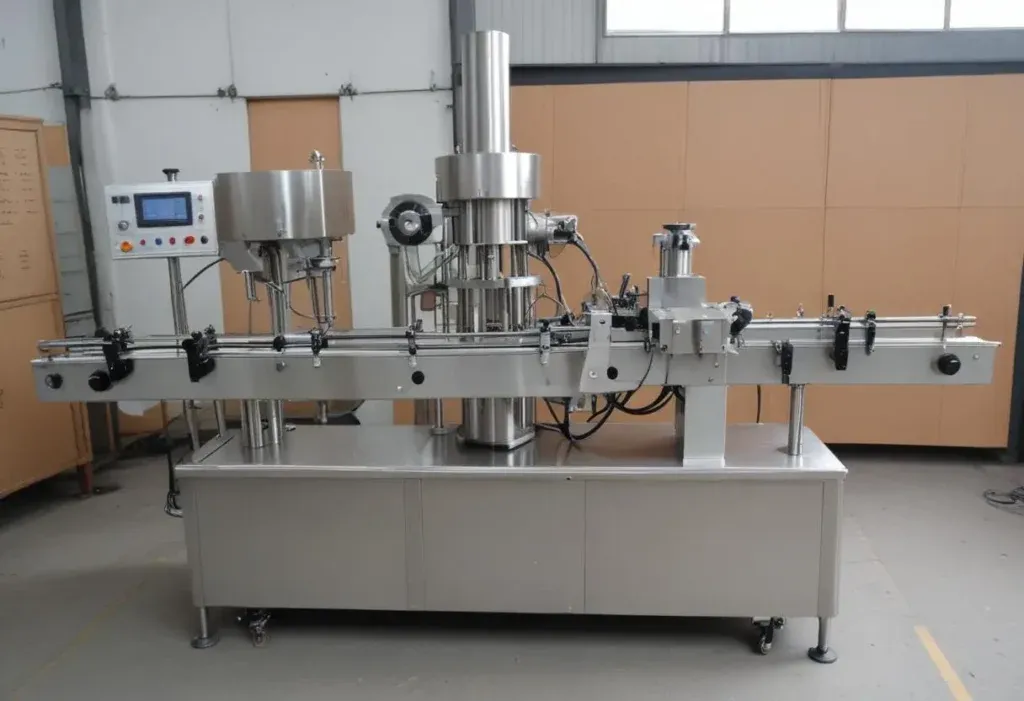
These machines are designed to dispense a measured amount of product into a container, pouch, bottle, jar, or can. For small businesses, they are especially useful because they reduce waste and make the final product look more professional and consistent.
Common applications include:
- sauces and oils
- juice and beverages
- lotions and creams
- powders and supplements
- cosmetics and personal care items
There are several filling machine types, including volumetric, gravimetric, piston, and vacuum filling systems. Each one suits different products. Thin liquids may work well with gravity or volumetric fillers, while thicker products often need piston fillers.
Why small businesses choose filling machines
A filling machine helps you control dosage, reduce product giveaway, and speed up packaging without relying entirely on hand filling. That matters even more when margins are tight.
If your products are bottled, jarred, pouched, or packed by weight or volume, this is usually one of the most practical machine categories to consider first.
2. Capping machines
Once a product is filled, it usually needs to be closed securely. That is where capping machines come in.
Capping machines are used to place and tighten caps, lids, or closures on bottles and containers. For small businesses selling beverages, cosmetics, oils, supplements, or cleaning products, this step is essential for product safety and leak prevention.
Benefits of capping machines
- more consistent sealing
- lower risk of leaks during storage and shipping
- better product security
- faster packaging speeds
Manual capping may work at the very beginning, but once output increases, consistency becomes harder to maintain. A semi-automatic or automatic capping machine helps standardize this step and reduces operator fatigue.
If your team is currently filling bottles quickly but slowing down at the closure stage, a capping machine may be the missing piece.
3. Labeling machines
Among all the types of packaging machines for small business, labeling machines are often underestimated. But they can have an immediate effect on product appearance and retail readiness.
A labeling machine applies product labels accurately and consistently to bottles, jars, cans, boxes, or pouches. This matters not only for branding, but also for compliance. In many industries, labels need to be positioned correctly and include readable product information, ingredients, warnings, or barcodes.
Why labeling machines are worth it
- cleaner, more professional product presentation
- fewer crooked or wrinkled labels
- better consistency across batches
- improved compliance with labeling requirements
If you sell into retail, online marketplaces, or wholesale channels, presentation matters. Even a great product can look less trustworthy if the label is slightly off-center or applied unevenly.
For small businesses using multiple container shapes, it is worth looking for a flexible labeling system that can handle size changes without complicated adjustments.
4. Sealing machines
Sealing machines are a broad and important category. They are used to close packages securely and protect products from moisture, contamination, leaks, and tampering.
Depending on your product, sealing might involve heat sealing, vacuum sealing, induction sealing, or bag sealing.
Common types of sealing machines
Heat sealers
Used for bags and pouches. These are common for food products, powders, accessories, and many retail items.
Vacuum packaging machines
Popular in food businesses because they remove air before sealing. This helps extend shelf life and preserve freshness.
Induction sealers
Often used for bottles and jars. They create a foil seal beneath the cap, which adds tamper evidence and helps prevent leakage.
Why sealing machines matter for small business
For many businesses, sealing is not optional. It directly affects product protection and customer trust. If you sell perishable goods, powders, liquids, or anything that must arrive intact, a reliable sealing machine can prevent expensive problems later.
5. Shrink wrapping machines
Shrink wrapping machines use plastic film and heat to wrap products tightly. They are useful for both protection and presentation.
You will often see shrink wrapping used for:
- bundled products
- bottles and cans
- boxed items
- retail multipacks
- products that need dust or moisture protection
For small businesses, shrink wrapping can be a smart choice when you want a neat final appearance without bulky packaging materials. It can also make grouped products easier to handle, store, and ship.
Advantages of shrink wrapping machines
- protects products from dust, moisture, and handling damage
- improves shelf appearance
- makes bundled packaging easier
- can reduce some secondary packaging costs
If your products are sold in sets, promotional packs, or grouped quantities, shrink wrapping may be one of the most practical machine types to add.
6. Case erecting and case packing machines
As a business grows, shipping often becomes one of the most time-consuming parts of operations. That is where case erecting and case packing machines become valuable.
A case erector forms corrugated cartons from flat blanks.
A case packer loads products into those cartons.
A case sealer closes and seals them for shipping.
For small businesses shipping larger order volumes, these machines help reduce repetitive manual labor and keep boxes more uniform.
Best use cases
- e-commerce fulfillment
- wholesale orders
- bundled shipping cartons
- fragile products that need consistent boxing
Small businesses do not always need a fully automated end-of-line system right away. But if order preparation is becoming slow, box forming and box sealing machines can save a surprising amount of time.
7. Form-fill-seal machines
Form-fill-seal machines are some of the most efficient packaging systems available. They create the package, fill it with product, and seal it in one continuous operation.
The two main categories are:
- Vertical form-fill-seal (VFFS)
- Horizontal form-fill-seal (HFFS)
These machines are common in food, powders, snacks, coffee, frozen products, and other pouch-based packaging formats.
Are form-fill-seal machines right for small businesses?
Sometimes yes, especially if you are already using pouches and need more speed. But they are usually a bigger step up in investment than a basic filler or sealer. For a small business, they make the most sense when pouch packaging is central to the product line and volume is increasing steadily.
8. Palletizing and end-of-line packaging machines
Not every small business needs palletizing equipment early on, but it is still worth understanding this category.
Palletizing machines stack boxes or packaged products onto pallets in a stable pattern for transport and storage. Stretch wrappers or pallet wrappers then secure the load.
These systems are more common in larger operations, but they become relevant once a business moves into higher-volume wholesale distribution.
When small businesses start considering palletizing
- shipping in bulk to distributors
- handling heavy boxed products
- preparing pallet loads regularly
- struggling with repetitive stacking labor
For most small businesses, palletizing comes later. Still, it is one of the important types of packaging machines for small business to keep in mind as operations scale.
How to choose the right packaging machine for your business
Not every business needs all of these machines. In fact, the best setup often starts small.
Here are the main factors to consider:
1. Product type
Are you packaging liquids, powders, solids, creams, bottles, trays, pouches, or cartons? The product itself determines the machinery category.
2. Production volume
If you package a few hundred units a week, semi-automatic equipment may be enough. If you are preparing thousands, more automation starts to make sense.
3. Budget
The cheapest machine is not always the most affordable in the long run. Look at labor savings, speed, waste reduction, and maintenance when evaluating cost.
4. Package style
Do you sell bottles, jars, stand-up pouches, boxes, shrink bundles, or trays? Your packaging format shapes the line.
5. Space and future expansion
Choose equipment that fits your current floor plan but can also integrate with future upgrades.
A practical small-business packaging line often starts like this:
- filling machine
- capping or sealing machine
- labeling machine
Then, as order volume increases, businesses often add:
- shrink wrapping machine
- case erector or case sealer
- form-fill-seal system
- palletizing support
Final thoughts on types of packaging machines for small business
The best types of packaging machines for small business are not necessarily the biggest or most advanced machines on the market. They are the ones that solve real production problems and fit your current stage of growth.
For many small businesses, the first smart upgrades are filling, sealing, capping, and labeling. These machines improve consistency, reduce labor pressure, and help products look ready for serious retail or e-commerce sales. From there, shrink wrapping, case packing, and more advanced automation can be added as demand grows.
If you are planning your next packaging investment, start by identifying the step that slows your team down the most. That is usually the clearest signal of which machine will deliver value first.
FAQ
What are the most common types of packaging machines for small business?
The most common types include filling machines, capping machines, labeling machines, sealing machines, shrink wrapping machines, and case packing machines. These cover the basic needs of many small product-based businesses.
Which packaging machine should a small business buy first?
In many cases, the first machine should address the biggest bottleneck. For liquid or cream products, that is often a filling machine. For bottled products, it may be a capping machine. For retail-ready presentation, a labeling machine is often a strong early investment.
Are packaging machines worth it for small businesses?
Yes, when chosen carefully. Packaging machines can reduce labor costs, improve consistency, lower waste, and make products look more professional. Even semi-automatic equipment can make a noticeable difference.
What is the difference between a sealing machine and a shrink wrapping machine?
A sealing machine closes a package to protect the product inside, while a shrink wrapping machine wraps film around the outside of a product or bundle and uses heat to tighten it.
Can one machine do multiple packaging tasks?
Yes. Some monoblock or integrated systems can fill, cap, label, and package in sequence. These are useful for businesses that want an all-in-one solution, though they usually require a higher investment.
What packaging machines are best for food businesses?
Food businesses often use filling machines, vacuum sealers, form-fill-seal machines, tray sealers, labeling machines, and shrink wrappers, depending on the product type and packaging format.
Do small businesses need fully automatic packaging lines?
Not always. Many small businesses do well with semi-automatic machines first. Fully automatic lines make more sense when production volume, labor demands, and order flow justify the investment.