

A shrink wrap machine is not just another piece of equipment on the production floor. For many manufacturers, distributors, and contract packagers, it is part of the daily rhythm of the business. When it runs well, products move smoothly, packaging looks clean, and orders stay on schedule. When it fails, everything slows down.
Unexpected downtime can mean delayed shipments, wasted film, poor-looking packages, extra labor, and expensive emergency repairs. That is why preventive maintenance for shrink wrap machine performance is not something to leave until “when there is a problem.” It should be part of the normal operating routine.
The good news is that shrink wrap machine maintenance does not have to be complicated. With regular cleaning, simple inspections, operator training, and a clear maintenance schedule, you can extend machine life and avoid many common packaging issues before they become costly failures.
Why Preventive Maintenance for Shrink Wrap Machine Performance Matters
Shrink wrapping equipment works with heat, film tension, moving parts, sealing systems, sensors, and sometimes conveyors or shrink tunnels. All of these parts need to stay clean, aligned, and properly adjusted.
When maintenance is ignored, small issues can quickly turn into production problems. A worn sealing wire can cause weak seals. Dirty sealing jaws can leave burn marks or incomplete seals. Poor film tracking can waste material. A tunnel running too hot can create burn holes, while a tunnel running too cool can leave loose, wrinkled packaging.
Preventive maintenance helps you:
Reduce unexpected machine downtime
Improve package appearance and seal quality
Extend the life of sealing wires, Teflon tape, belts, chains, and other wear parts
Reduce film waste
Keep operators safer
Avoid emergency repair costs
Maintain consistent production output
In simple terms, a well-maintained shrink wrap machine gives you more predictable production.
Start With Safety Before Any Maintenance Work
Before cleaning, inspecting, or adjusting a shrink wrap machine, safety must come first.
Always power down the machine before maintenance. Cut off the machine’s energy supply, press the emergency stop if needed, and wait for heated parts such as sealing jaws or blades to cool. Never reach into rotating parts, belts, chains, rollers, or sealing areas while the machine is running.
A basic safety routine should include:
Turning off and isolating the power supply
Allowing hot sealing parts to cool
Keeping hands clear of moving components
Checking emergency stop buttons and guards
Following the manufacturer’s manual
Using trained personnel for electrical or mechanical repairs
This step may seem obvious, but many machine injuries happen during cleaning, adjustment, or troubleshooting. A few extra minutes of safe preparation are always worth it.
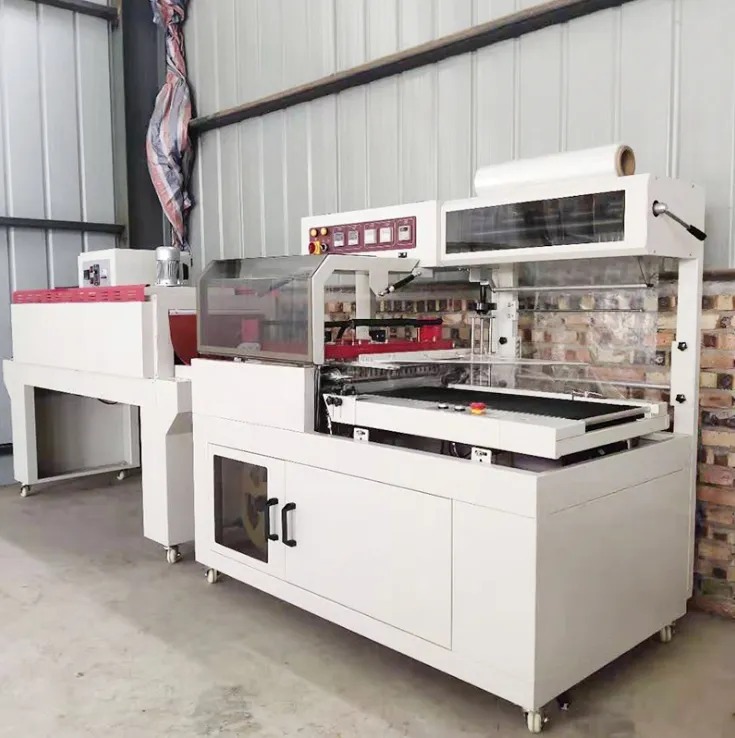
Create a Simple Shrink Wrap Machine Maintenance Schedule
The best maintenance plan is the one your team can actually follow. It does not need to be overly complicated, but it should be written down and assigned to specific people.
A useful maintenance plan usually includes three parts:
First, assign responsibility. Decide which operators, technicians, or maintenance staff will inspect the machine and record issues.
Second, create a checklist. Include daily, weekly, monthly, and quarterly tasks so nothing is forgotten.
Third, train every operator. A machine can be damaged quickly if different operators use different settings or ignore warning signs.
For a low-volume operation, maintenance may be relatively light. For a high-speed or 24-hour packaging line, inspections and servicing should be more frequent. The key is to match the schedule to your real production conditions.
Daily Maintenance Checklist for Shrink Wrapping Equipment
Daily maintenance is mainly about cleanliness, visual checks, and catching obvious problems early.
At the start or end of each shift, operators should:
Wipe down the machine with a clean, dry, non-abrasive cloth
Remove film scraps, dust, and debris from the machine area
Check sealing jaws, sealing wire, or knife sealers for residue
Inspect Teflon tape, seal pads, and base tape for wear
Check that film is feeding smoothly
Confirm tunnel temperature and airflow are normal
Look for unusual noises, loose parts, or vibration
Make sure emergency stops and guards are working
Run a test pack if the machine was adjusted
Dust, film pieces, pallet chips, and packaging debris can work their way into moving areas. Over time, this can strain bearings, affect sensors, and reduce machine life. Keeping the machine clean is one of the easiest and most effective maintenance habits.
Check the Sealing System Carefully
The sealing area is one of the most common sources of shrink packaging problems. If the seal is weak, brittle, uneven, or dirty, the final package will look poor even if the rest of the machine is working well.
For L sealers, side sealers, and other sealing systems, check:
Sealing wire condition
Teflon tape condition
Seal pads or rubber surfaces
Sealing jaw cleanliness
Sealing temperature
Seal pressure
Seal timing
Product spacing before the seal
If the seal temperature is too high, it may burn or weaken the film. If it is too low, the seal may not close properly. If the seal time is too long, the seal can become brittle. If the seal time is too short, the package may open during handling.
A simple troubleshooting tip: run and seal an empty bag. If the empty bag seals correctly, the problem may be related to product size, film tension, spacing, or machine setup rather than the sealing element itself.
Replace Wear Parts Before They Fail
Shrink wrapping machines have consumable parts that naturally wear over time. Waiting until these parts fail can cause unnecessary downtime.
Common wear parts include:
Sealing wire
Teflon tape
Base tape
Seal pads
Knife sealing components
Chains and belts
Rollers
Springs and clamps
Sensors or photocells
Tunnel chain lubricant
It is smart to keep essential spare parts on site, especially the parts that wear most often. A small inventory of sealing wire, Teflon tape, belts, and other critical items can prevent a minor issue from stopping production for days.
For higher-volume operations, spare parts planning is not optional. It is part of downtime control.
Keep the Shrink Tunnel Clean and Properly Adjusted
The shrink tunnel is where the package gets its final look. If the tunnel is not maintained, you may see wrinkles, burn holes, smoke, poor shrink, or uneven packaging.
Check these areas regularly:
Tunnel temperature
Conveyor speed
Airflow
Tunnel chain condition
Lubrication points
Film residue buildup
Unusual heat marks or burning smell
Burn holes often mean the temperature is too high, the conveyor is moving too slowly, or airflow is not balanced. Loose or wrinkled film may mean the tunnel is too cool, the product is moving too fast, or the film is not suitable for the application.
The goal is not always to run hotter. In many cases, the best result comes from the lowest effective temperature combined with the correct conveyor speed and film type.
Use Good-Quality Shrink Film
Machine maintenance and film quality are connected. Low-quality film may seem cheaper at first, but it can create more problems during production.
Poor film can cause:
More sealing residue
Higher tunnel temperatures
Slower seal times
More film breaks
More static issues
Poorer package appearance
More rewraps
High-quality shrink film often runs at lower temperatures and seals more consistently. This reduces stress on the sealing system and shrink tunnel over time. It can also improve throughput because operators spend less time correcting film problems.
Film storage matters too. Shrink film should be kept in a controlled environment, away from excessive heat and moisture. If film rolls are exposed to high temperatures, the film may stick to itself, weaken, or become harder to run.
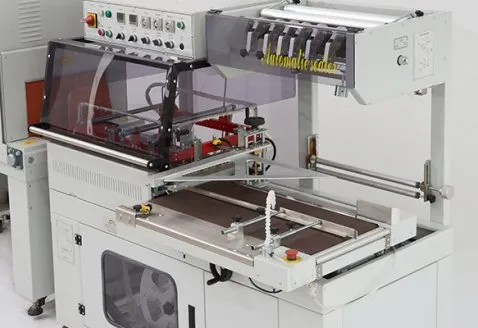
Watch for Static and Film Tracking Problems
Shrink film is often prone to static. If the film clings to the machine, tracks poorly, or sticks to itself, static may be part of the problem.
Signs of static issues include:
Film clinging to metal surfaces
Film not opening smoothly
Film matting together
Poor tracking
Inconsistent wrapping
Check the machine grounding first. Static eliminators, static strings, or film separators may also help. In some cases, lightly reducing the shine on film-contact surfaces can reduce drag and static buildup, but this should be done carefully and only where appropriate.
Static may look like a small annoyance, but it can create real production waste when film does not feed correctly.
Check Product Spacing and Film Tension
Bad seals are not always caused by heat. Tension can also create problems, especially with semi-automatic or automatic L bar sealers.
If products are too close together, the film may pull against the seal as it moves through the machine. Taller products usually need more spacing between packs. If the product is too close to the sealer bar, the seal may pull apart or become distorted.
Check for:
Product spacing
Film tension
Film roll alignment
Missing clamps or springs
Product lifting during sealing
Cross-seal quality
A good package depends on balance. Heat, pressure, timing, film tension, and product spacing all need to work together.
Clean Sensors and Photocells
Modern shrink wrap machines often rely on sensors, photocells, and motion control components. If these parts are dirty or misaligned, the machine may misread product position or film movement.
Clean sensors gently with a soft cloth. Avoid harsh chemicals that may cloud or damage the sensor surface. Also check that sensor brackets are tight and properly aligned.
Sensor problems can lead to:
Misfeeds
Incorrect product detection
Poor sealing position
Inconsistent wrapping
Unplanned stops
This is a small maintenance task that can prevent frustrating troubleshooting later.
Lubricate Moving Parts Correctly
Some shrink wrapping systems use chains, belts, gears, guide rails, or conveyor components that require lubrication. Always follow the manufacturer’s manual for the correct lubricant and lubrication points.
Avoid two common mistakes:
Using the wrong lubricant
Using too much lubricant
Over-lubrication can attract dust, splatter onto other parts, or create buildup. Under-lubrication can increase wear and shorten the life of moving components.
For intensive production environments, lubrication should be scheduled and recorded.
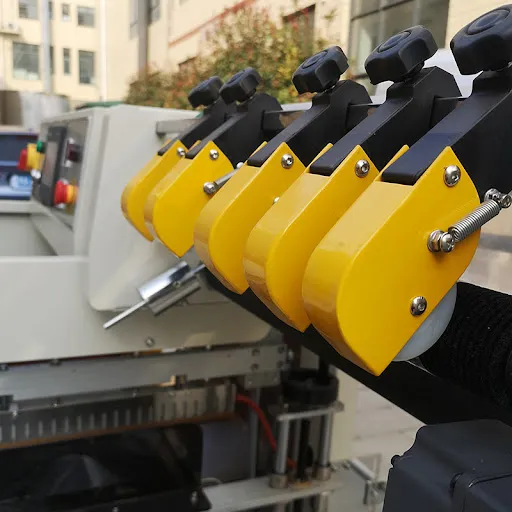
Train Operators to Notice Problems Early
A trained operator is one of the best tools for preventive maintenance. Operators are usually the first people to notice when a machine sounds different, seals differently, or requires more adjustment than usual.
Operator training should cover:
Correct startup and shutdown
Film loading and changeover
Temperature and speed settings
Basic troubleshooting
Cleaning procedures
Safety precautions
When to stop the machine and report a problem
Good training reduces misuse, over-adjustment, and avoidable machine damage. It also helps keep packaging quality consistent across shifts.
Keep a Maintenance Log
A maintenance log does not need to be complicated. A simple sheet or digital record can track:
Date of inspection
Operator or technician name
Cleaning completed
Parts replaced
Machine settings
Problems found
Repairs performed
Next service date
Over time, this record helps you identify patterns. For example, if sealing wire fails more often than expected, the machine may be running too hot, the wrong film may be used, or the sealing area may need adjustment.
A maintenance log turns guesswork into useful data.
Sample Preventive Maintenance Checklist
Here is a practical checklist you can adapt for your own shrink wrapping line.
Daily
Clean the machine surface
Remove film scraps and debris
Check sealing wire, Teflon tape, and seal pads
Inspect sealing jaws or knife sealers
Confirm tunnel temperature and airflow
Check film tracking
Look for unusual noise or vibration
Run a test package if needed
Weekly
Inspect belts, rollers, clamps, and springs
Clean sensors and photocells
Check film roll holders and tension settings
Inspect tunnel conveyor and chain condition
Check product spacing and seal position
Review operator notes
Monthly
Test emergency stop and safety devices
Inspect electrical cables and plugs visually
Check moving parts for wear
Review spare parts inventory
Confirm machine settings for common products
Inspect lubrication points
Every 3 Months or Based on Usage
Lubricate chains, rails, gears, or other approved points
Inspect drive chains and belts for tension and wear
Replace worn rollers or damaged components
Schedule professional service if required
Review maintenance records for recurring problems
When to Call a Technician
Some issues should not be handled by operators unless they are trained and authorized.
Call a qualified technician if you notice:
Electrical faults
Repeated blown fuses
Damaged cables
Unusual burning smell
Major mechanical noise
Severe seal inconsistency after adjustment
Sensor or control system failure
Drive chain or belt damage
Machine movement that feels unsafe
Preventive maintenance can reduce breakdowns, but it does not replace professional service when the machine needs deeper inspection or repair.
Final Thoughts
Preventive maintenance for shrink wrap machine performance is really about protecting production stability. A clean machine, a trained operator, and a simple checklist can prevent many of the problems that lead to downtime, wasted film, and poor package quality.
You do not need to wait for a major breakdown to take maintenance seriously. Start with the basics: clean the machine, check the sealing system, monitor wear parts, control temperature and tension, train operators, and keep spare parts available.
Small maintenance habits, done consistently, can make a big difference in the lifespan of your shrink wrapping equipment and the quality of every package that leaves your line.
FAQ
How often should a shrink wrap machine be maintained?
A shrink wrap machine should be cleaned and visually checked daily. Wear parts, sensors, belts, chains, and lubrication points should be inspected weekly or monthly depending on usage. High-volume production lines usually need a more frequent preventive maintenance schedule.
What are the most common shrink wrap machine maintenance tasks?
The most common tasks include cleaning sealing jaws, checking sealing wire and Teflon tape, removing film debris, inspecting sensors, checking film tension, monitoring tunnel temperature, lubricating moving parts, and replacing worn consumables.
Why does my shrink wrap machine make weak seals?
Weak seals may be caused by low sealing temperature, worn sealing wire, damaged Teflon tape, dirty sealing jaws, incorrect seal timing, poor seal pressure, or too much film tension around the product.
Can poor shrink film damage the machine?
Poor-quality shrink film can create more residue, require higher heat, cause more film breaks, and increase strain on the sealing system and shrink tunnel. Good-quality film often improves both package appearance and machine performance.
What spare parts should I keep for a shrink wrap machine?
Common spare parts include sealing wire, Teflon tape, base tape, seal pads, belts, springs, clamps, rollers, and recommended lubricants. The exact list depends on your machine model and production volume.
Why is my shrink film burning in the tunnel?
Burn holes usually mean the tunnel temperature is too high, the conveyor speed is too slow, airflow is uneven, or the film is not suitable for the product. Try adjusting temperature and speed gradually while checking the film specification.
Should operators be trained in basic maintenance?
Yes. Operators should know how to clean the machine, load film correctly, check basic settings, identify worn consumables, and report unusual machine behavior. Good operator training prevents many avoidable faults.